
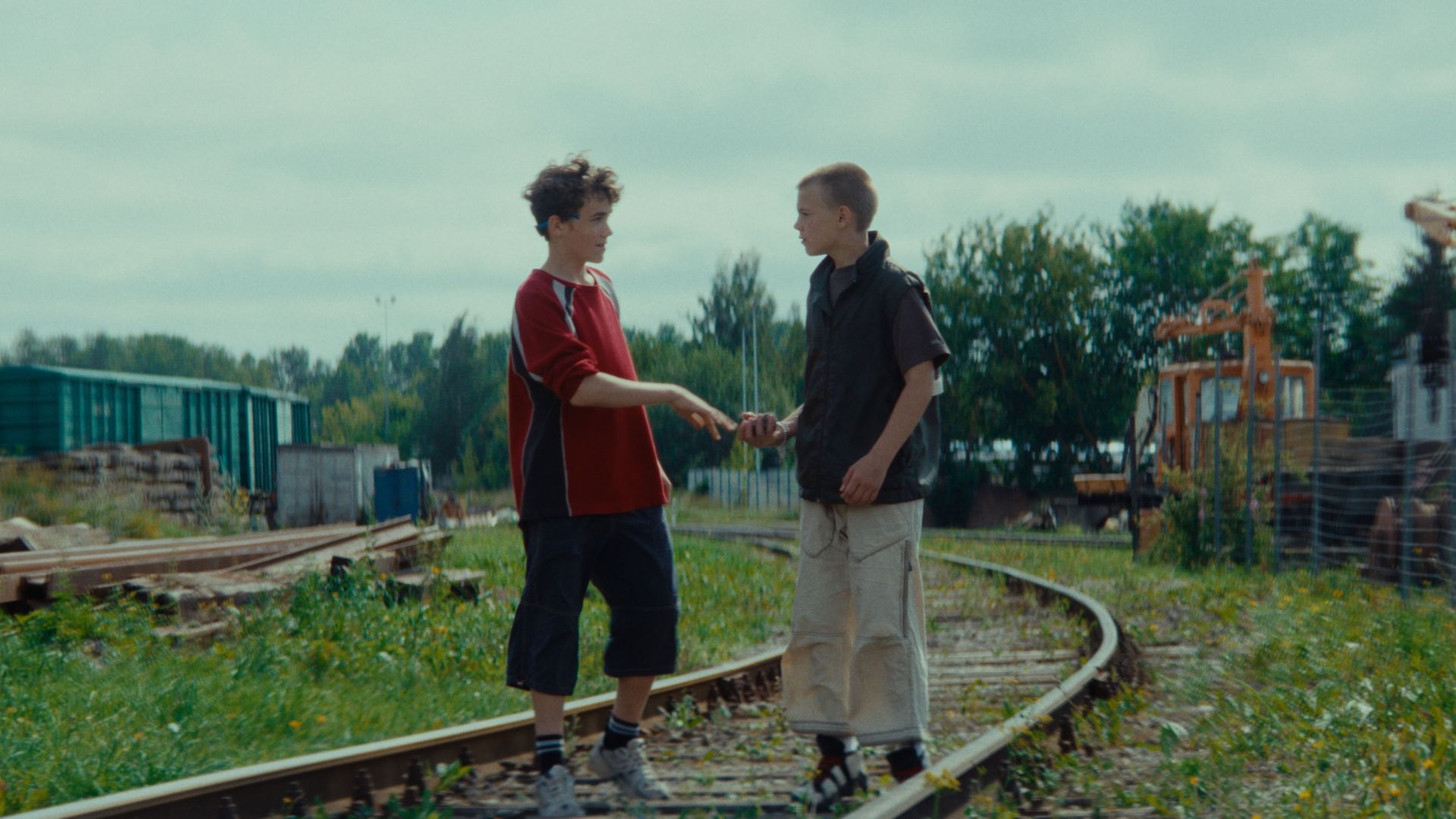
Lithuania, Latvia and Estonia have a long history of cinematic connections. These ties have helped shape a distinctive Baltic identity, highlighting qualities that have gradually become recognisable to audiences around the world.
This shared identity helps Baltic cinema reach international audiences and establish its place on the European and global film map.
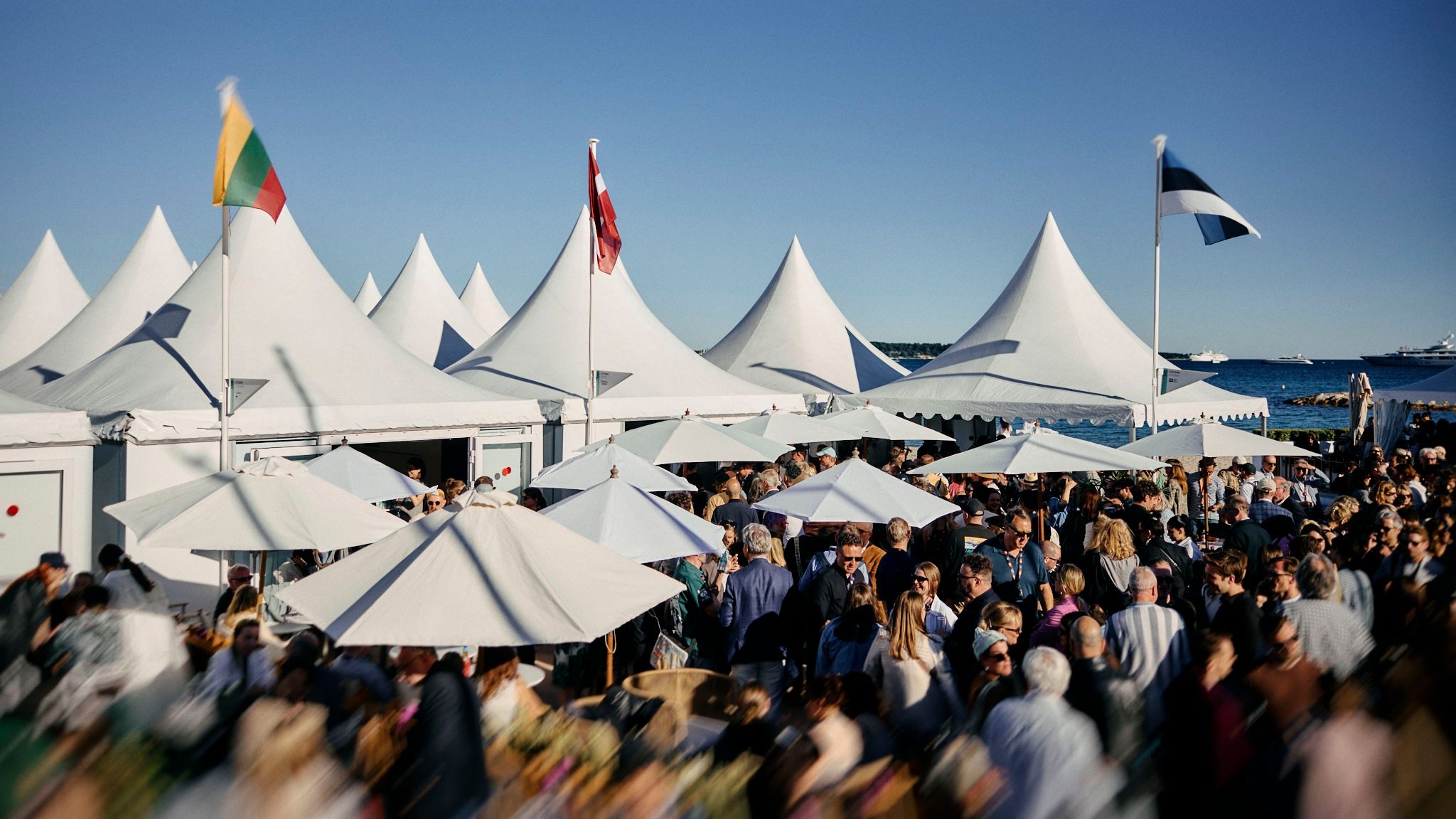
Cooperation among the three countries produces compelling films rooted in our shared geopolitical and cultural experiences. It takes many forms, from filmmakers and actors contributing to one another’s productions to co-productions and industry events that showcase Baltic cinema as a closely interconnected whole. The Tallinn Black Nights Film Festival is a key event celebrating these connections.
Although cinema developed differently in each country, Lithuania, Latvia and Estonia all sought to build their own national film cultures after declaring independence in 1918. Each recognised the role of cinema in shaping a sense of cultural identity. In those early years, connections between the three countries were mainly limited to film screenings and distribution, as well as professional and cultural contacts.
Under Soviet rule, all aspects of filmmaking were brought under a centralised system. A film studio was established in each of the three Baltic countries. Despite censorship and ideological restrictions, filmmakers developed distinctive artistic voices that helped shape their countries’ national film identities.
From the 1960s, Lithuanian actors began appearing in Latvian and Estonian films. They were valued for their thorough preparation, their ability to convey a character’s thoughts and emotions, and the psychological depth of their performances. Eugenija Pleškytė, Juozas Budraitis, Regimantas Adomaitis, Donatas Banionis, Bronius Babkauskas, Stasys Petronaitis, Algimantas Masiulis, Vytautas Tomkus, Saulius Balandis, Antanas Barčas, Antanas Gabrėnas and many others delivered memorable performances in films made by their Baltic neighbours.
Lithuanian cinematographers were also highly regarded. Two Estonian features shot by Algimantas Mockus, Ice Run (1962, directed by Kaljo Kiisk) and Werewolf (1968, directed by Leida Laius), won prizes at film festivals across the Soviet Union.
Lithuanian talent also made an important contribution to Estonian director Grigori Kromanov’s Dead Mountaineer’s Hotel (1979), based on a novel by the Strugatsky brothers. His wife, the distinguished theatre critic and public intellectual Irena Veisaitė, served as second director. Lithuanian actresses Irena Kriauzaitė and Nijolė Oželytė joined a cast drawn from Estonian theatre, film and ballet. The film combines a detective story with science fiction and a philosophical tale exploring moral responsibility and the consequences of our choices.
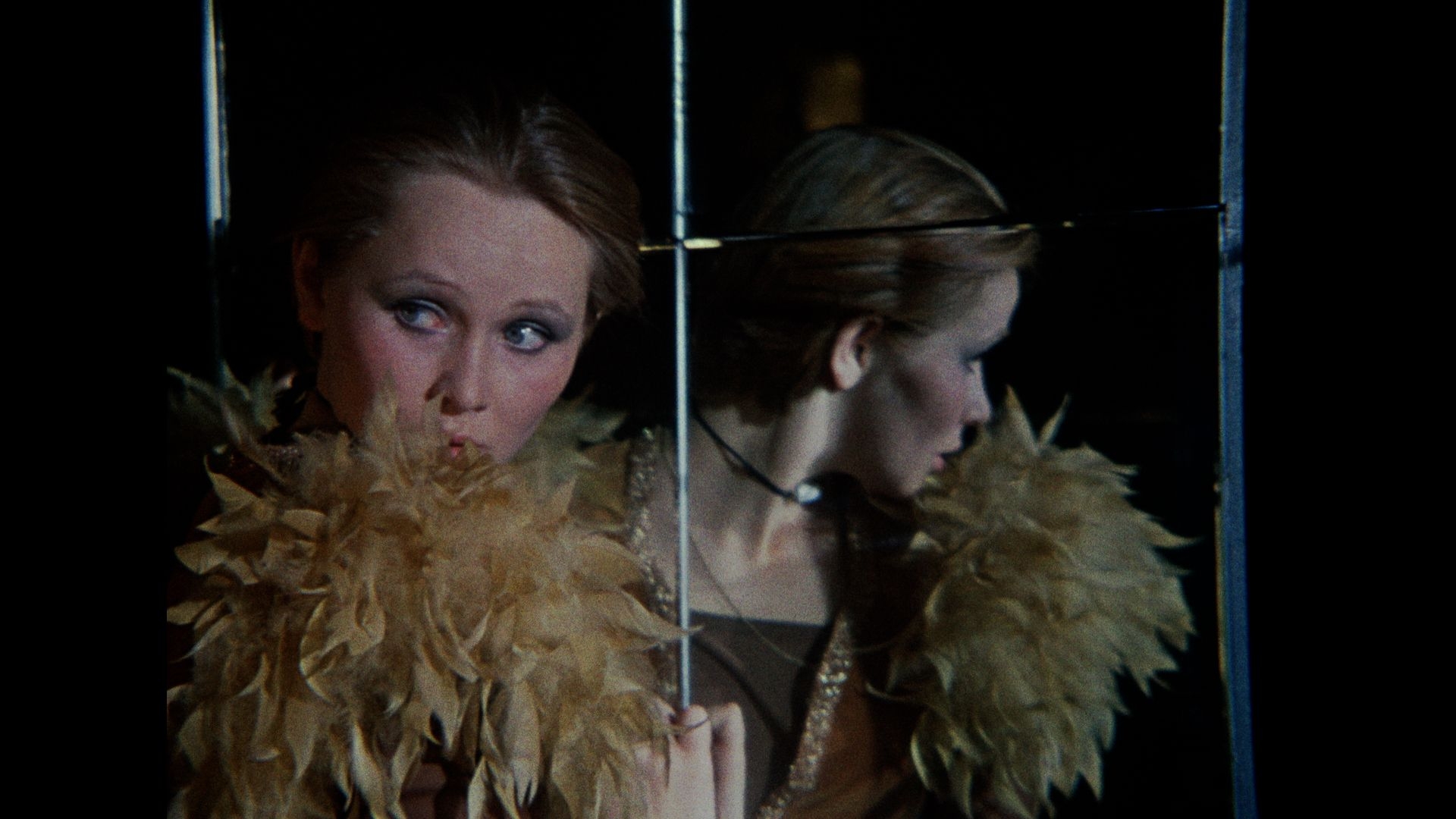
Latvian director Aloizs Brenčs’ hugely popular television series Long Road in the Dunes (1982) traces a love story set against the backdrop of the historical upheavals across all Baltic countries, from the pre-war years and the Second World War to Soviet occupation and deportations to Siberia. Its Lithuanian leads, Romualdas Ramanauskas and Juozas Kisielius, became audience favourites and gained fame far beyond the region.
Latvian and Estonian artists have likewise left their mark on Lithuanian cinema. Often regarded by critics as one of the best Lithuanian films, Feelings (1968, directed by Almantas Grikevičius and Algirdas Dausa) was based on the Latvian writer Egons Līvs’ novel Velnakaula dvīņi. The film explores the power of human feeling to endure even the harsh realities of the post-war years. The screenplay was written by Vytautas Žalakevičius, one of the leading figures in Lithuanian cinema at the time. His own film Nobody Wanted to Die (1965), which depicts the dramatic conflicts in rural Lithuania after the war, featured Latvian actress Vija Artmane and Estonian actor Bruno O’Ya in two important roles. Today, a scholarship bearing O’Ya’s name is awarded to young Estonian acting talent at the Black Nights Film Festival. For both actors, working with the accomplished Lithuanian director was a significant creative experience, and their performances remain among the highlights of their careers. In Latvia, Brenčs explored a related subject – the fight against members of national resistance movements – in When the Rain and Wind Knock at the Window (1967).
Estonian actor Einari Koppel played a commander of the Teutonic Order in Herkus Mantas (1972, directed by Marijonas Giedrys), a historical film about the leader of the 13th-century Prussian uprising against the Order. The cast also included Latvian actor Juris Strenga, who later delivered a memorable performance as Pastor Wilhelm Hopke in Arūnas Žebriūnas’ Journey to Paradise (1980). Based on a short story by Hermann Sudermann, the film is set in the historical region of Lithuania Minor.
From the 1960s onwards, a distinctive approach to documentary filmmaking emerged in Lithuania, Latvia and Estonia: poetic documentary. The Soviet “Thaw” and the arrival of a new generation of young directors and cinematographers made this possible. Their films emphasised visual storytelling, poetic metaphor and philosophical associations. Among those who developed this approach were Latvian filmmakers Herz Frank, Uldis Brauns, Ivars Seleckis and Aivars Freimanis; Estonians Mark Soosaar and Andres Sööt; and Lithuanians Robertas Verba, Henrikas Šablevičius and Almantas Grikevičius.
This unique chapter in Baltic film history is explored in Bridges of Time (2018), directed by Lithuania’s Audrius Stonys and Latvia’s Kristīne Briede. The film reflects on the artistic and humanistic value of poetic documentary, revealing the close ties and strong traditions shared by Baltic filmmakers. It is a tribute to the directors’ mentors and the generations who came before them. Bringing past and present together,* Bridges of Time* captures the sense of community that connects filmmakers across the region.
When the Baltic countries restored their independence in 1990 – 1991, film financing, distribution and production changed fundamentally once again. New institutions had to be established, and new ways of working developed. Yet the connections between Lithuania, Latvia and Estonia remained strong and evolved into more organised and effective forms of cooperation. Since then, the three countries have made more than fifty fiction, documentary and animated films together through bilateral and trilateral co-productions.
Today, these connections continue to shape Baltic cinema. Latvian director Armands Začs’ debut fiction feature, Youth Eternal (2025), examines a generation of thirty-somethings grappling with maturity and responsibility. Similar questions run through Lithuanian director Gabrielė Urbonaitė’s Renovation, released the same year. Začs edited the film, earning a nomination for Best Editing at Lithuania’s Silver Crane national film awards. He also edited two films by Latvian director Viesturs Kairišs, co-produced with Lithuania: January (2022) and Ulya (2026). Both films reflect the countries’ historical and cultural ties and their cooperation in film production. Ulya tells the story of legendary basketball player Uļjana Semjonova, who was born in Zarasai, Lithuania. January revisits the events of 1991 in Riga and Vilnius, when both countries fought to defend their independence. An important figure in the film is Latvian documentary filmmaker Juris Podnieks, who recorded those events in both Lithuania and Latvia.
One of the most notable Estonian films of recent years, Tõnis Pill’s debut feature Fränk (2025), has drawn audiences and won several awards. While handling violence, bullying and social pressure with sensitivity, Pill finds room for humour and hope within a dark story. Young actor Tõru Kannimäe, who played one of its leading roles, returns to the screen this year in the Estonian-Lithuanian co-production Morten. Directed by Ivan Pavljutskov and based on a novel by Reeli Reinaus, the film explores adolescence, loneliness and first romantic feelings. Its Lithuanian collaborators include editor Ričardas Matačius, composer Titas Petrikis and sound designer Jonas Jocys.
In 2025, Lotus, a Latvian historical fantasy directed by Signe Birkova and co-produced with Lithuania, won the Silver Crane for Best Minority Co-production. Severija Janušauskaitė played Alice, a woman discovering the power of cinema, and received nominations at both the Lithuanian and Latvian national film awards. Darius Meškauskas won Latvia’s Best Supporting Actor award for his performance in Ilze Kunga-Melgaile’s My Freedom (2023). Lithuanian composers Paulius Kilbauskas and Vygintas Kisevičius, documentary filmmakers Audrius Stonys and Ramunė Rakauskaitė, and other Lithuanian artists have also been honoured at the Latvian national film awards over the years.
Baltic film history cannot be told as three separate national stories that only occasionally overlap. It is a history of continuous creative exchange. Through these connections, Baltic cinema continues to rediscover and strengthen its identity, gaining recognition and appreciation around the world.
Written by Neringa Kažukauskaitė
The article was published at Baltic Film Magazine 3/2026