
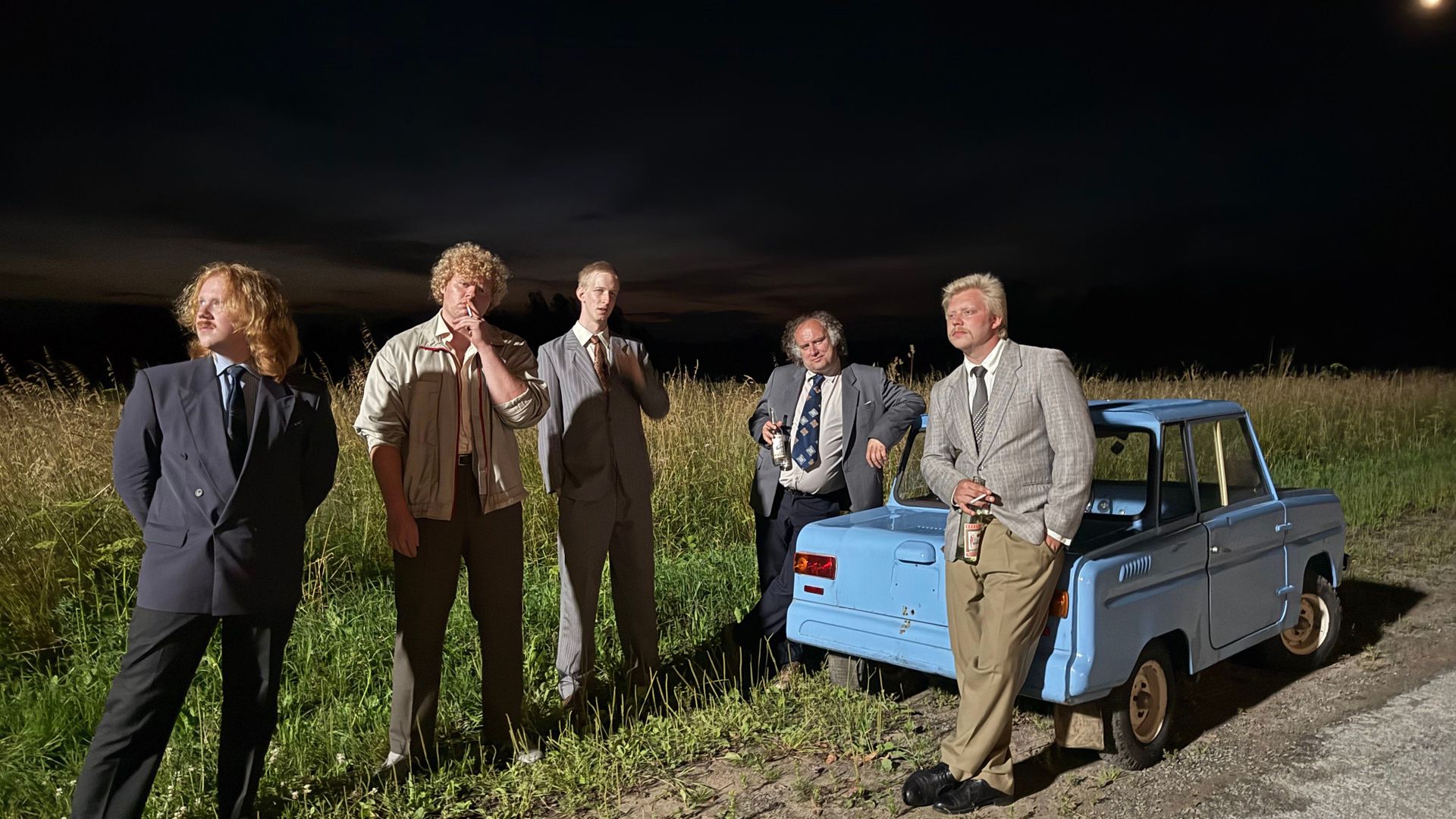
With the visibility of the Baltics in the film world at an all-time high, collaboration between the three countries is also growing. Three talents who usually remain in the background share how new horizons are shaping their work.
Gunita Groša jokingly calls herself an expert in sports films. Over the past two years, she has worked on the Latvian box-office hit Escape Net, the portrait of Estonian Olympic hero Our Erika, and Ulya, which premiered at Cannes this year.
In fact, her range spans contemporary dramas and major historical films, as well as several South Korean thrillers filmed in Latvia. Gunita stumbled into the film industry by chance when an acquaintance – whom she calls her film godmother – invited her one summer to help make coffee on the set of the 2005 blockbuster Defenders of Riga.
As fate would have it, something went wrong with the art department’s plans, and they needed help too. Gunita ended up working on set decoration and was subsequently invited to work on casting for another project. Having studied playwriting herself, she had found her calling.
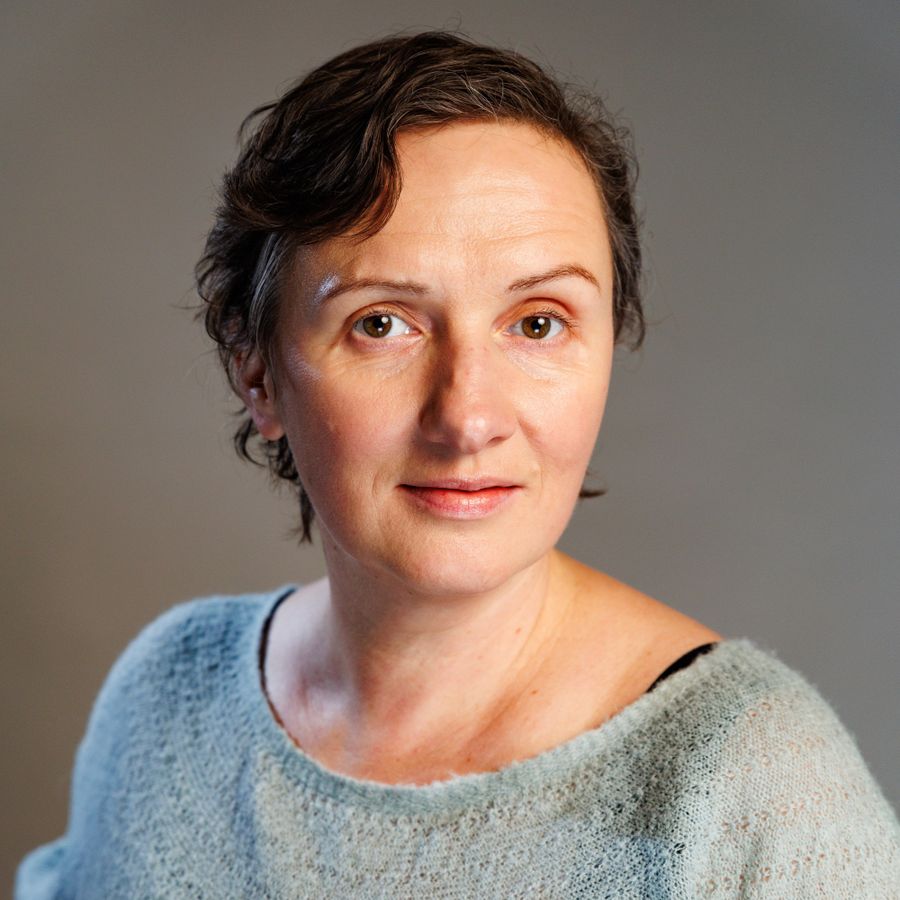
“Heart!” she exclaims when asked what a good casting director needs. Of course, you need to know people and have an extensive personal address book, but she says communication is the foundation of everything.
Gunita has made it her mission to find non-professional actors who might otherwise never find their way into films, yet who ultimately make a production special precisely because of who they are.
“I’m interested in people you won’t find on Instagram, people who aren’t visible in everyday life.”
- Gunita Groša
She is always keeping an eye out for such people. She recalls once going to a concert with her son, her mind still on work because she had not found a suitable blond young man for a wedding scene. While standing in line and chatting with friends, Gunita suddenly turned around and spotted a stranger by the entrance who was absolutely perfect for the role. She and her son approached the young man, and he ended up appearing in the Jaak KIlmi’s film Dirt in Your Face.
This is one of the reasons she is especially delighted to have worked with Sergei Loznitsa on Two Prosecutors.
“He specifically looks for non-professional actors and interesting faces. He wants to meet everyone, prints out photographs, and fills an entire wall with them. Directors such as Loznitsa and Andrei Zvyagintsev are very interested in the stories of the people who play their characters, and my job is to know those stories.”
Gunita describes Dawn, completed in 2015, as her most challenging project. Hundreds of extras were required on set day after day.
“That was when I seriously thought about quitting. But then I took a couple of months off, and afterwards I thought again about what a privilege it is to do work you love,” she recalls.
She believes Latvian cinema is in a good place at the moment.
“Our favourite thing is criticising everything – including ourselves. We’re constantly thinking Lithuanians and Estonians do everything better. It’s in our blood,” she laughs, adding that fortunately, a promising new generation is now emerging.
As for her own ambitions, she says that after two decades in film, it is increasingly difficult to find anything that surprises her. Fortunately, closer cooperation between the Baltic countries is opening up new horizons.
“It is offering casting directors the opportunity to discover fresh faces for audiences in their home countries, and I’m always on the lookout for new faces” she says.
Vytautas Riabovas’s CV reads like a list of spectacular hit series: British historical drama Catherine the Great, the critical darling Chernobyl, and the science-fiction superhit Stranger Things.
A series of coincidences led him to the path towards all these major projects. Fifteen years ago, he was looking for a summer job when, on the recommendation of a friend of his brother’s friend, he found himself helping out on a commercial shoot. From there, he worked with various companies before embarking on a freelance career.
Vytautas recalls that everything happened so quickly that he barely had time to think about it. “Ironically, the first film I worked on was called Unexperienced,” he laughs. “I was lucky that, although I had to work an incredible amount – 14- to 16-hour days – I was able to start major projects right away.”
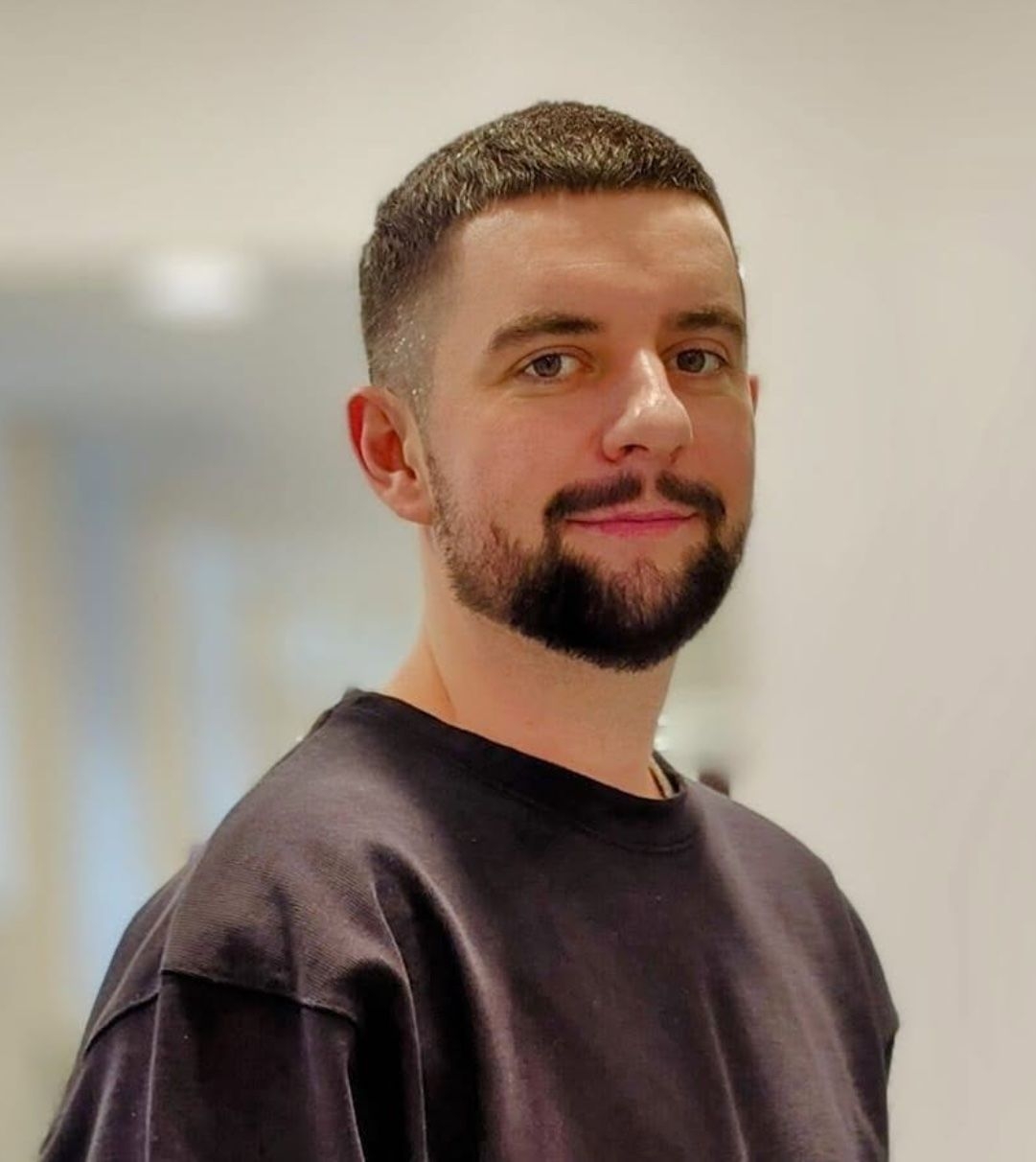
According to Vytautas, a location manager’s job is primarily about working with people and requires a great deal of responsibility and meticulous attention to detail.
“You work with people, and people change their minds. In production, something new happens every day,” he says, recalling filming Catherine the Great at a manor house that was also undergoing renovations. "The renovation was indeed underway and fully coordinated, and we were in constant communication with the manor's administration. However, that morning we realised that the construction company had carried out work around the manor (a dug trench, mounds of soil, and other obstacles) unilaterally, without the knowledge of either us or the manor's administration. We had only one day to clear everything and prepare the proper conditions for our lighting department to conduct pre-light operations."
This level of diligence and precision has also attracted the attention of international productions, which is why all the projects mentioned above have chosen to film in Lithuania. Vytautas adds that it also helps that English is widely spoken in Lithuania and that its filmmaking model is similar to the American one. At the same time, working on such productions entails enormous responsibility.
“If you mess up even one of them, people will conclude that a small country like ours simply can’t handle projects of this scale.”
- Vytautas Riabovas
Vytautas is pleased with the current state of the Lithuanian film industry, praising both its funding system and the quality of its films. However, he identifies the lack of film studios as the primary challenge.
“In that context, the opening of Ida Hub in Estonia is fantastic news. It will attract major projects that will bring immense value to both Estonia and the entire region,” he says, having just returned from the studio complex’s opening.
Looking ahead, he hopes to see greater cooperation among the film institutes of the three Baltic countries, as this would help them secure funding collectively and promote the region more effectively to international audiences.
Vytautas says he doesn’t have a particular dream project in mind. Instead, his focus has recently shifted towards production management. Having successfully completed three projects in this role – one short and two feature films – he is now working on a major international production. He sees this as a natural next step in his career, building on the experience he has gained over the years.
“It’s not the scale but the people you work with,” he says, summing up what matters most to him.
Liisi Põllumaa inherited her creative spark from her architect parents, but it took a long journey of self-discovery to find her way into filmmaking. She travelled to different countries, initially trained as a beautician, and in the process discovered she had a natural talent for make-up.
One day, she found herself helping on the set of December Heat. “I absolutely loved life on set – everything seemed mysterious and exciting,” she recalls. After that, Liisi began seeking opportunities to gain practical experience in film and has since worked on many of Estonia’s biggest productions, including Truth and Justice and Kalev.
“Truth and Justice was an enormous challenge – it was the first time silicone prosthetics had been used in Estonia. Making a character look older takes a month of preparation, and if something goes wrong, you have to start all over again,” she explains.
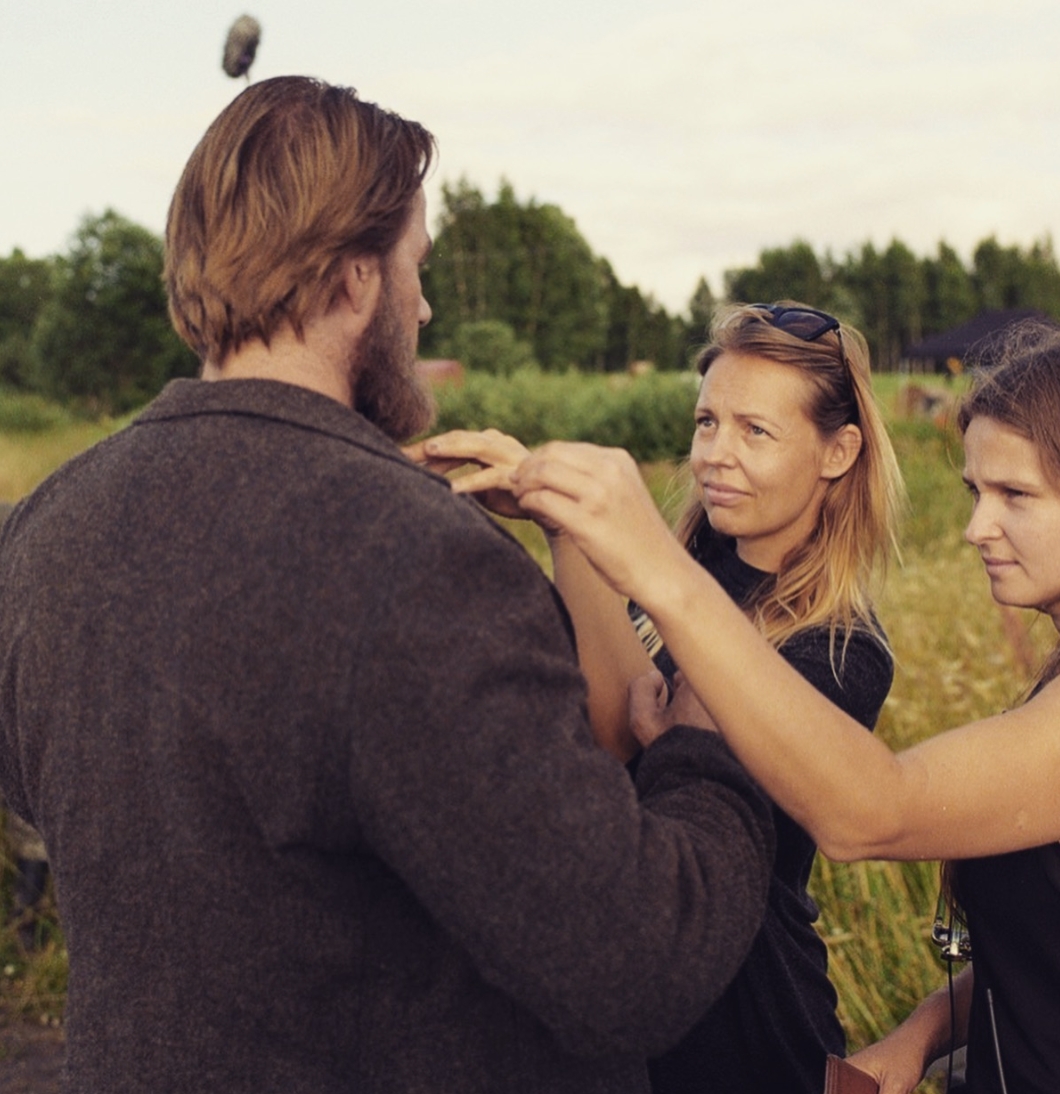
The original plan was to outsource the work, but when that proved too expensive, everything was handled in-house. “You really learn through experience, and that gave me a lot of confidence to take on new projects.”
According to Liisi, most people think good make-up means using a lot of make-up, but in reality, painstaking work often goes unnoticed. “It’s almost unfair that something can take over two hours of work and the viewer doesn’t even notice it,” she laughs.
For example, the name character in her latest film, Ulya, required a host of hair extensions and a wig, and the actors facial features were slightly modelled for additional femininity. For this kind of work, she considers it the greatest compliment when nobody notices the enhancements.
Alongside technical skills, she believes communication, adaptability and patience are essential to her profession. “Some people want to talk a lot while they’re in the make-up chair, while others don’t want to talk at all. You have to be able to read the room – you have to send the actor out of the chair in the state they need to be in, feeling comfortable.”
The work done on set accounts for only a small part of a Make-up Designers job. Before filming begins, there are meetings with the director and actors, the development of a visual concept, the creation of characters, research in archives for historical films, and the design of wigs and prosthetics. All this can take months.
“The most important thing for me is that the screenplay has to be compelling, and I love a challenge – creating interesting characters and personalities.”
- Liis says, explaining what drew her to films such as Fränk, 8 Views of Lake Biwa, and The Black Hole.
Liisi also worked in the make-up department on Tenet, the Christopher Nolan thriller filmed in Tallinn, where she witnessed the scale of a Hollywood production first-hand.
“Budgets like that can make you envious because they allow you to make even bigger transformations and conduct more experimentation and testing. But overall, Estonia now has the capacity and skills to do all of this, too. In terms of technical expertise I believe our capabilities are at a very high level,” she says.
Following her experience working on both Tenet and Ulya, Liisi believes it is crucial for filmmakers across the Baltic countries to simply get to know one another.
“So, when the next big international production like Tenet comes along, I can just call to my talented make-up artists from neighbouring Latvia and Lithuania, rather than having to bring people in from further abroad. This is making collaboration easier, more practical and cost-effective.”
The article was written by Andrei Liimets and published in Baltic Film Magazine. Read the full magazine here